
Contents
- 🎵 Origins & History
- ⚙️ How It Works
- 📊 Key Facts & Numbers
- 👥 Key People & Organizations
- 🌍 Cultural Impact & Influence
- ⚡ Current State & Latest Developments
- 🤔 Controversies & Debates
- 🔮 Future Outlook & Predictions
- 💡 Practical Applications
- 📚 Related Topics & Deeper Reading
- Frequently Asked Questions
- References
- Related Topics
Overview
The concept of hand-eye coordination has evolved significantly since the early 20th century, with foundational studies by psychologists like Jean Piaget highlighting its importance in child development. Techniques for improving hand-eye coordination have been integrated into various educational frameworks, particularly in occupational therapy, where practitioners like AOTA (American Occupational Therapy Association) emphasize its role in enhancing fine motor skills. The historical context shows a growing recognition of the necessity of these skills in both academic and physical pursuits.
⚙️ How It Works
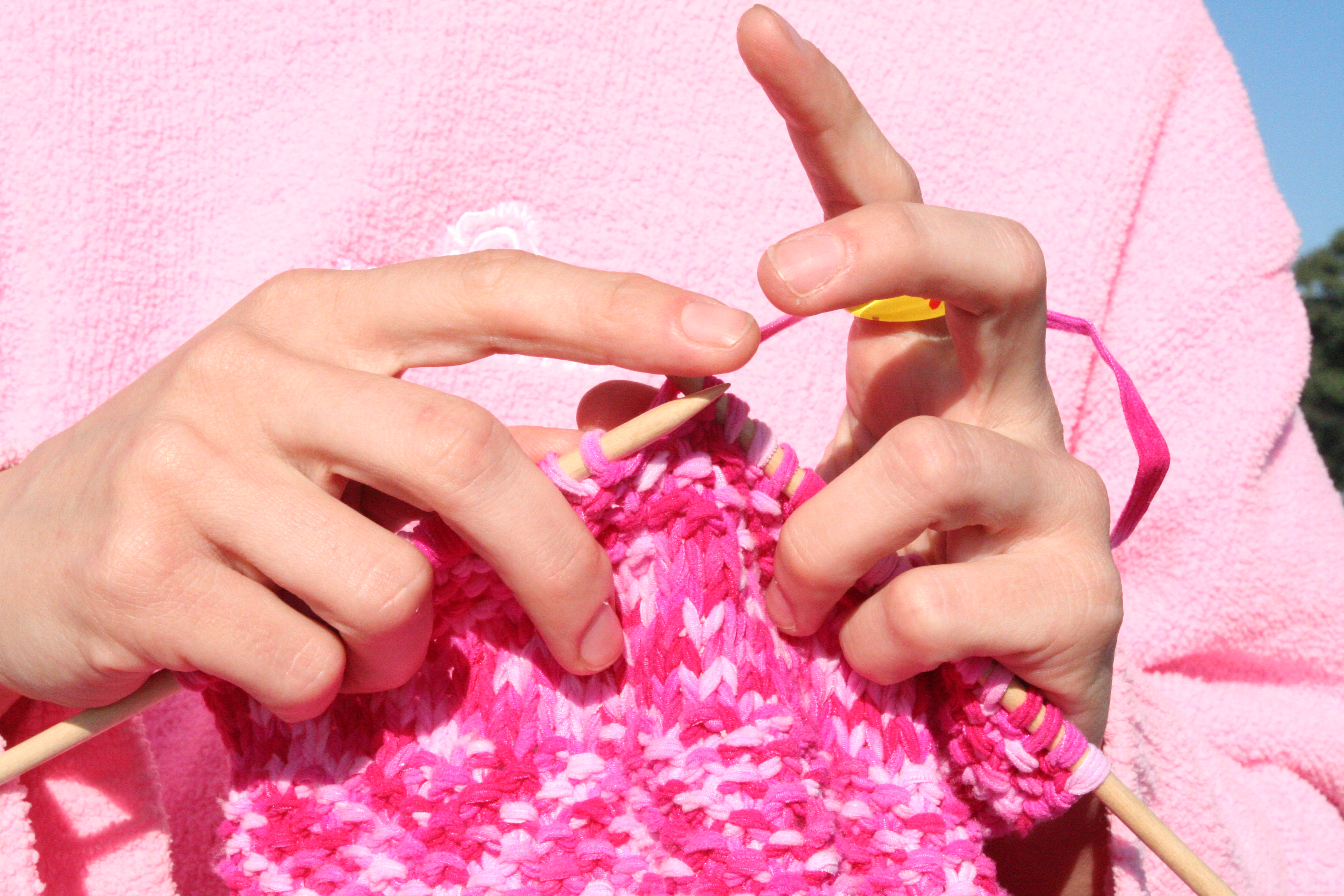
Hand-eye coordination involves the brain's ability to process visual information and translate it into precise motor actions. This process is facilitated by the visual cortex, which interprets what the eyes see, and the motor cortex, which controls the muscles. Techniques to enhance this coordination include activities such as ball tossing, tracing shapes, and using tools like scissors or pencils. For instance, the use of Theraputty can strengthen hand muscles while improving coordination. These exercises not only develop fine motor skills but also enhance cognitive functions like concentration and spatial awareness, critical for tasks ranging from sports to academic performance.
📊 Key Facts & Numbers
Key figures in the development of hand-eye coordination techniques include Mary Reilly, who contributed significantly to occupational therapy practices, and Lorna Jean King, known for her work in sensory integration. Organizations like the American Occupational Therapy Association (AOTA) have published guidelines and resources to help practitioners implement effective hand-eye coordination strategies. Additionally, researchers such as Dr. Michael Merzenich have explored the neurological basis of coordination, influencing modern therapeutic approaches. Their collective work has shaped the understanding and application of these techniques in both clinical and educational settings.
👥 Key People & Organizations
The cultural impact of hand-eye coordination techniques is evident in various fields, from sports to education. In sports, athletes like Serena Williams and Lionel Messi exemplify the importance of refined hand-eye coordination in achieving peak performance. In education, programs that incorporate these techniques, such as the Handwriting Without Tears curriculum, have gained popularity for their effectiveness in improving children's writing skills. Moreover, video games have emerged as a modern tool for enhancing coordination, with studies showing that action games can significantly improve players' hand-eye coordination abilities, reflecting a shift in how these skills are developed and perceived in society.
🌍 Cultural Impact & Influence
Controversies surrounding hand-eye coordination techniques often center on the effectiveness of traditional methods versus modern approaches, such as digital tools and video games. Critics argue that reliance on technology may hinder the development of fundamental motor skills, while proponents highlight the adaptability and engagement that these tools can provide. Additionally, debates exist regarding the age at which children should begin formal training in coordination techniques, with some experts advocating for early intervention while others caution against overemphasis on structured activities.
⚡ Current State & Latest Developments
Looking ahead, the future of hand-eye coordination techniques is likely to be shaped by advancements in technology and neuroscience. Ongoing research into the brain's plasticity may lead to new methods for improving coordination across all age groups, making these techniques more accessible and effective.
🤔 Controversies & Debates
Hand-eye coordination techniques are applied in various real-world scenarios, from sports training to rehabilitation. For instance, athletes often engage in drills that enhance their reaction times and precision, such as juggling or using reaction balls. In occupational therapy, techniques like pencil grasp training and visual tracking exercises are utilized to assist children with developmental delays. Additionally, schools increasingly incorporate activities that promote coordination, such as arts and crafts, to support fine motor development. These applications demonstrate the versatility and importance of hand-eye coordination techniques in everyday life.
🔮 Future Outlook & Predictions
Related topics include visual perception skills, fine motor skills, and occupational therapy. Each of these areas intersects with hand-eye coordination, offering deeper insights into how these skills develop and their significance in various contexts. Further reading on the impact of technology on motor skills can be explored through studies on video games and their effects on coordination, as well as research on sensory integration and its role in developing these essential skills.
Key Facts
- Year
- 2024
- Origin
- Global
- Category
- science
- Type
- concept
Frequently Asked Questions
What are effective hand-eye coordination techniques for children?
Effective techniques include activities like ball tossing, tracing shapes, and using tools like scissors. These exercises help develop fine motor skills and improve cognitive functions such as concentration and spatial awareness. Programs like 'Handwriting Without Tears' focus on integrating these techniques into early education, showing significant improvements in children's writing skills.
How does hand-eye coordination impact academic performance?
Research indicates that children with strong hand-eye coordination skills tend to perform better academically.